
Grains
Ancient Italian Grains Explained: Farro, Einkorn, and Spelt in Bakery Breads
October 15, 2026
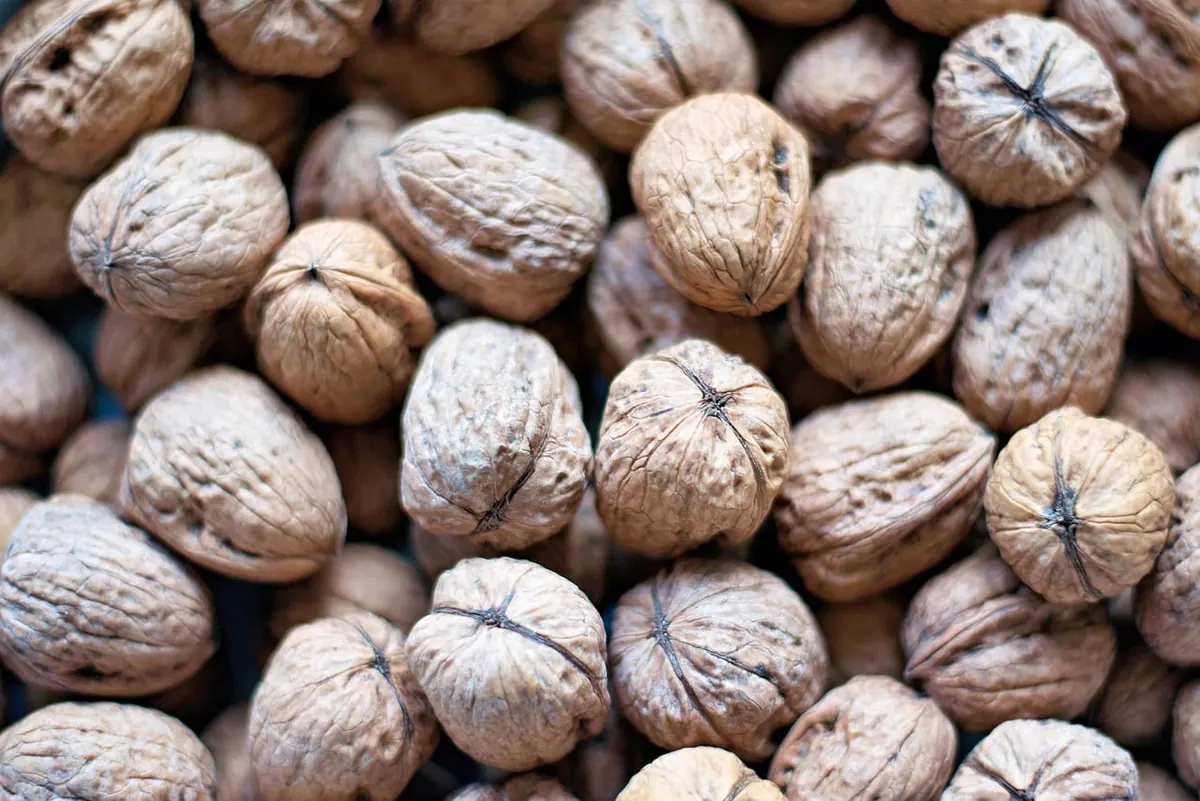
Ask a baker in Umbria what farro is and you will get one answer. Ask one in Puglia and you may get another. Farro, einkorn and spelt sit close together on the wheat family tree, all three keep a tough hull around the kernel, and all three behave nothing alike once they meet water and a mixer. That is the part worth knowing before you swap a kilo of white flour for something older and nuttier. What follows is what each grain tastes like, how its gluten behaves, how much water it wants, and where it earns its place on the bench.
First, settle the names
The word farro is a category, not a species. In Italian it covers three hulled wheats: farro piccolo, which is einkorn (Triticum monococcum); farro medio, which is emmer (Triticum dicoccum); and farro grande, which is spelt (Triticum spelta). On an Italian menu or flour sack, "farro" by itself almost always means emmer. If you order it expecting something light and sweet, you will get a flour with real weight and a nutty bite instead.
Because all three hold their hulls through threshing, they reach the mill as whole grain by default, bran and germ included. That bran is where much of the flavour lives, and also where most of the handling trouble starts.
What they taste like
Einkorn is the delicate one. The crumb comes out warm yellow, the aroma is buttery and grassy, and there is a faint sweetness at the back of the throat that reminds people of fresh milk. The crust browns quickly and takes on a deep colour, so watch it. Where you want the grain itself to be the point, einkorn does the work.
Emmer is deeper and more savoury: hazelnut, a little earth, a pleasant bitter edge from the bran, and a chew that keeps going after the swallow. Of the three it has the strongest personality, which is why it can stand up to a dark bake and a long fermentation.
Spelt is the roundest and sweetest, closer to wheat than the other two, with a mild nuttiness and a faint sourness that plays well with a levain. It reads as "wheat plus something," which makes it an easy sell in a bakery case. All three are best fresh: whole grain flours lose their aroma within weeks, so smell the bag before you bake. A dull, paint-like note means the flour is past it.
Three kinds of gluten strength
None of these is a straight swap for bread flour, and each fails in its own way.
Einkorn
The weakest of the three. Its gluten is extensible to the point of slack and poor at holding gas, and the dough is genuinely sticky. Push hydration and you get something closer to a batter than a loaf. Mix it briefly, keep it in a tin or on a flat tray, and use it as a flavour flour at 20–30 percent of the total.
Emmer
The middle child, and the most forgiving. It behaves like a soft wheat: it holds folds, tolerates a moderate bulk, and gives a loaf with a chewy, open-enough crumb. Thirty to forty percent in a strong white base is a sensible ceiling.
Spelt
The strongest of the three, and the most deceptive. The dough stretches beautifully and then tears, all at once. Over-mixing flattens it, and so does a very long bulk. If it starts to feel loose and shiny, stop and shape earlier than you would with white. Thirty to fifty percent is workable.
One plain point: these are wheats, and they contain gluten. If you bake for someone with coeliac disease, hulled flours are not a safe substitute for gluten-free flour. That is a medical question rather than a baking one, so take advice from a doctor or dietitian.
Hydration: read the dough, not the percentage
Whole-grain hulled wheats absorb more water than white flour, but they hold it less firmly. A dough can feel firm in the first ten minutes and slack an hour later. Start here, then adjust with your hands:
- Einkorn: 72–80 percent. Expect it to feel wetter than it looks, and resist the urge to add flour.
- Emmer: 70–78 percent. Comfortable at the lower end for free-form loaves.
- Spelt: 68–75 percent. It goes from supple to soupy fast, so mix on the drier side.
- Any blend: hold back five percent of the water and add it after the first fold, when you can see what the dough actually needs.
A short autolyse of 30 to 60 minutes, flour and water only, softens the bran and makes the dough easier to handle. Add salt afterwards as usual.
Working them into a loaf
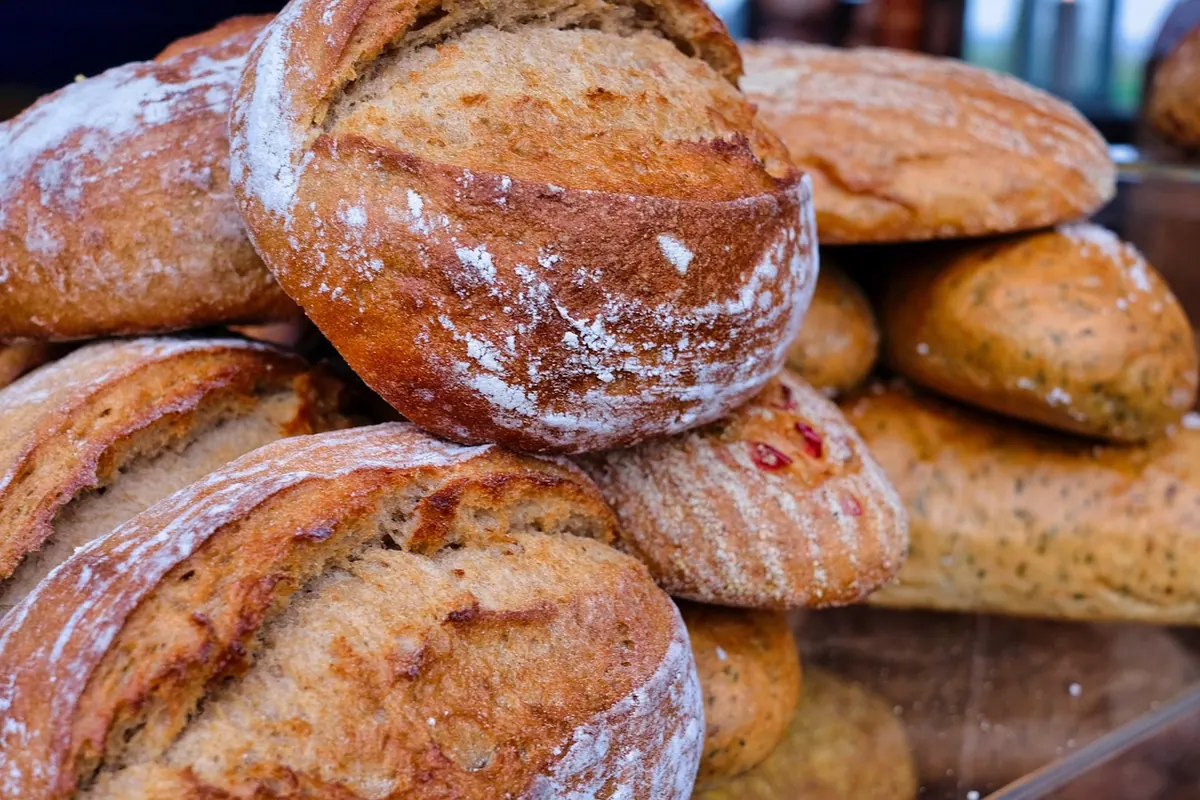
- Keep a base of strong white flour at 60–80 percent of the total. It supplies the structure these grains cannot.
- Start with 20 percent ancient grain. Bake it twice before you push higher.
- Mix slow and short, then build strength with stretch and folds every 30 minutes instead of kneading.
- Check the dough earlier than you would a white one. These fermentations often move faster than expected.
- Watch the colour from halfway through the bake. Sugars in the bran brown early, so cover the loaf or drop the temperature if it darkens too soon.
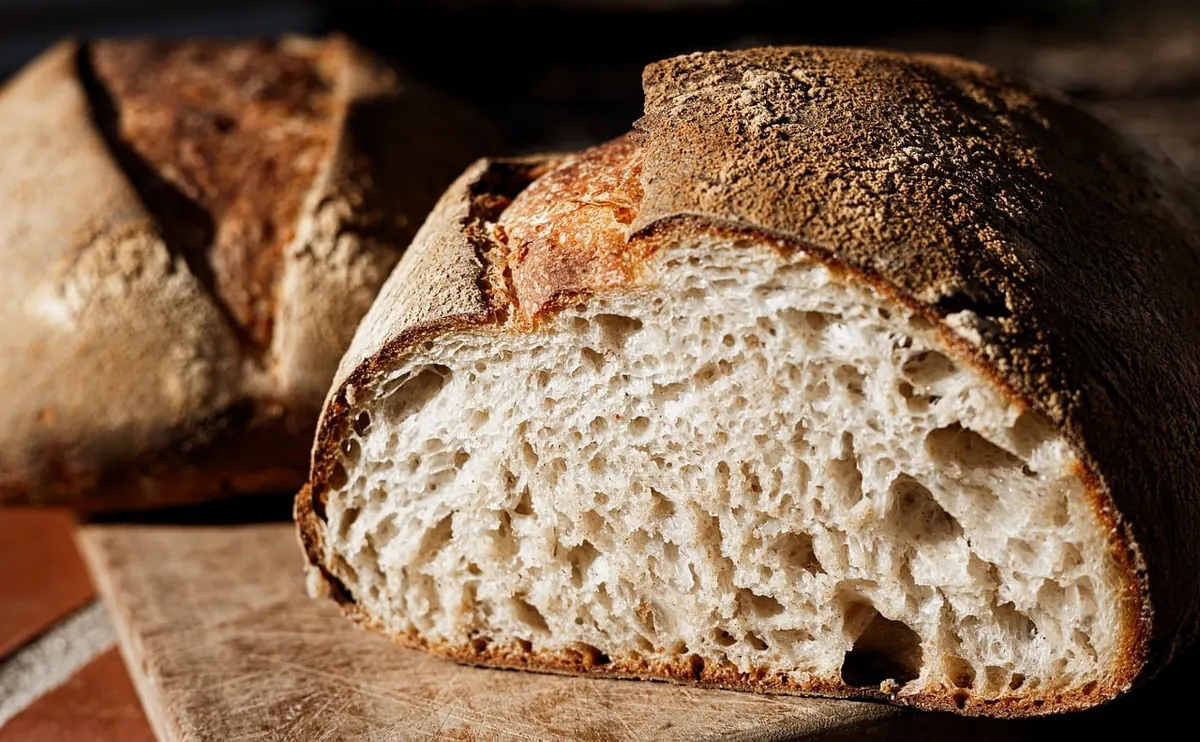
- Let the bread cool completely before slicing. The crumb is gummy when hot and sets as it cools.
Where each one belongs
- Einkorn: focaccia, pizza bianca, flatbreads, grissini, batters for pancakes. Anything thin, crisp or baked in a tray.
- Emmer: rustic round sourdough, biga-based loaves, breads meant to be torn and dipped, and fresh pasta dough.
- Spelt: sandwich loaves, Pugliese-style rounds, baguette-shaped breads, and pizza where you want a tender crust.
Pair them with what they can carry. Emmer takes olive oil, rosemary and aged cheese. Einkorn prefers butter and something fresh. Spelt is happy with seeds, honey or a little rye in the mix.
Start with one loaf
Pick a single grain and bake the same recipe twice, once at 20 percent and once at 30, writing down the water you used, how the dough felt after the folds, and when you shaped it. Two bakes will teach you more than a page of percentages. Keep notes on flavour too, because the point of these flours is not novelty but the fact that a plain loaf suddenly tastes of something. When you find the blend that works, it becomes a house bread that nobody else can copy from a recipe card.
Photo: ES60 / Pixabay
Related posts
More stories you’ll love reading